Marcia Falk
Reimagining blessing without a divine King
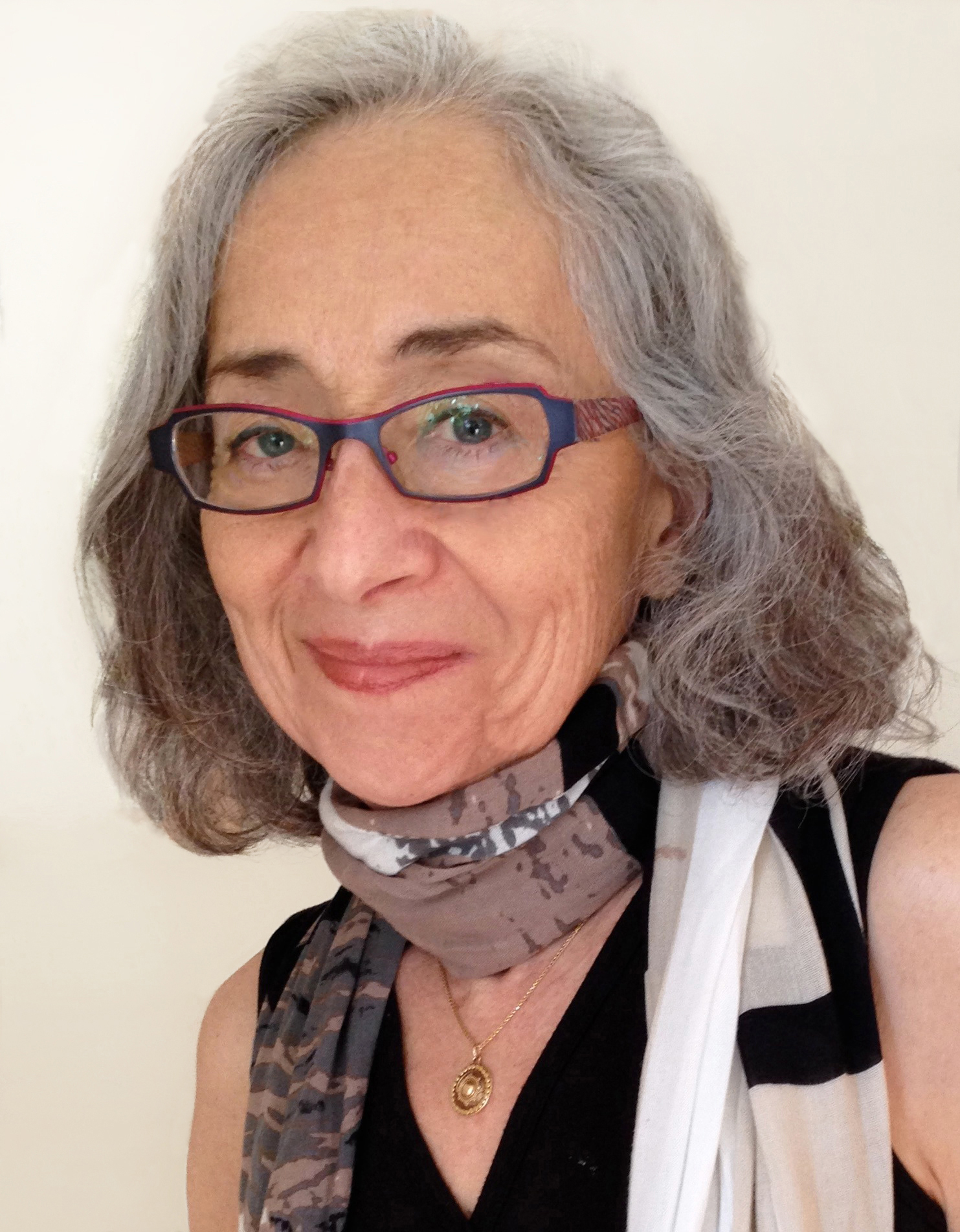
Marcia Falk (b. 1946) is a poet, translator and scholar whose The Book of Blessings (1996) rewrites the entire cycle of Jewish daily, Sabbath and festival blessings in language that neither addresses a personal, hierarchical God nor falls back on simple gender-swapping. Her work matters to Spiritual Humanistic Judaism because she solved, in liturgy itself, a problem this community faces in theology: how do you keep blessing without keeping a Subject to bless?
The Problem With “Barukh Atah”
The classical Jewish blessing formula — Barukh atah Adonai Eloheinu, melekh ha-olam, “Blessed are You, Lord our God, King of the universe” — addresses the divine as a personal, male, monarchical Subject standing over creation. Falk did not think the fix was to simply say “Queen” instead of “King,” or “She” instead of “He.” Swapping pronouns keeps the whole structure — a ruling person, external to the world, whom we petition and praise — intact. Her project went further: replacing the formula itself.
Blessing the Source, Not a Sovereign
In place of the King-formula, Falk’s blessings open onto immanence: the sacred is located in the fullness of creation and the ordinary act of attention, not in a ruler above it. As the scholar Judith Plaskow put it, Falk’s work evokes “the sacred as totally immanent in creation,” offering an alternative to the whole notion of God as a male or female person. Her Hebrew is spare, exact and unmistakably traditional in sound — she keeps the music of Jewish prayer while emptying the formula of its monarchy.
Her liturgy “challenges from within the tradition’s patriarchal assumptions and hierarchical order” — and yet, as one reviewer wrote, “it all sounds so Jewish, so right, so easy to pray.”
Why She Belongs Here
Spiritual Humanistic Judaism sets aside God, godly and godliness as terms in its own affirmative theology and liturgy, while still drawing on the full tradition those words come from. Falk shows one way to write that into prayer: not by arguing the theology in an essay, but by handing worshippers words that already assume it. Her other major works — The Song of Songs (1977), The Days Between (2014), and Night of Beginnings (2022), a Passover Haggadah — extend the same method across the whole liturgical calendar.
See also our own Our Scholarship for how this connects to Kaplan and Schulweis, and Our Practice for how it shapes our own liturgy.