Shabbat
Sacred time, without supernaturalism.
Every Friday at sundown, wherever in the world this community gathers — London, New York, Chicago, Jerusalem, Perth, Sydney — an ordinary week stops. Two candles are lit, and a day begins that is different from the other six. Nothing supernatural needs to happen for that difference to be real. We do not believe a deity descends to sanctify the evening. We believe holiness is something a people makes, not something it receives — and that a stretch of time, set apart on purpose and kept in company, is holy because we have agreed, together, to treat it that way.
The philosopher Mordecai Kaplan called such things a people’s sancta — the days, objects and deeds through which it carries its highest values from one generation to the next. Abraham Joshua Heschel gave the same idea a different picture: Judaism, he wrote, builds its great cathedral not in space but in time. Shabbat is a palace in time — a structure raised not from stone but from hours, entered not by walking but by ceasing.
A palace in time cannot be conquered or burned.
It goes with you.
Tradition roots the seventh day in two stories, and it is worth noticing that they do not quite agree — which is a gift, because between them they hold the whole meaning. In Genesis, the reason for rest is creation: having made a world, its maker stops, and rest is woven into the order of things. In Deuteronomy, the reason is liberation: remember that you were slaves, and now you are free — so you shall not make slaves of anyone in your household, not even the ox. One story says rest belongs to the dignity of a finished world; the other says rest is the very shape of freedom. A spiritual humanist can hear both as profound human truths rather than as literal reports. We do not need a week of creation to feel the first: that a life made only of making, with no day to stand back and call it good, never gets to be enjoyed. And we do not need to have stood at the Red Sea to feel the second: that a person who can never stop is not yet fully free, whatever their circumstances.
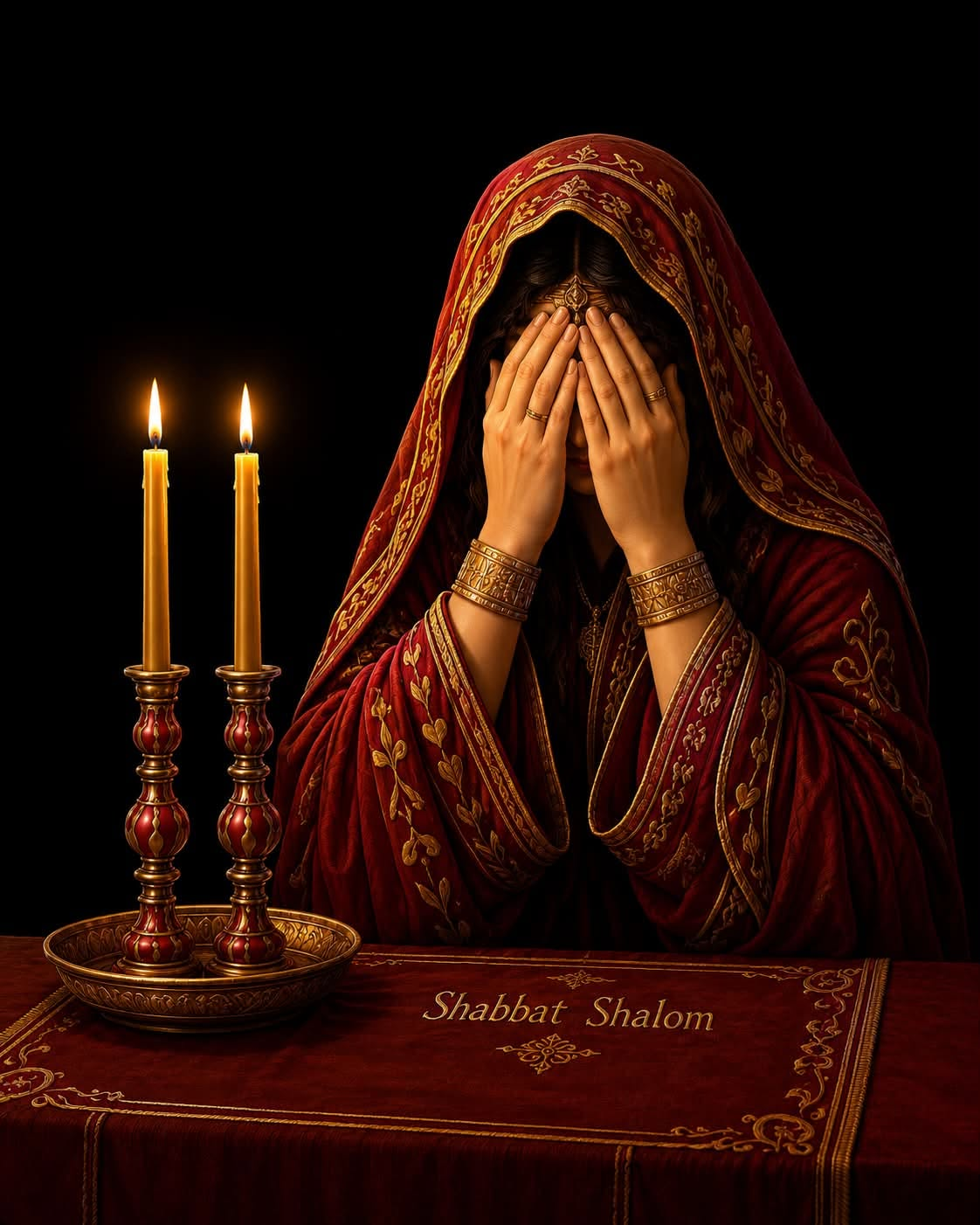
We keep the day’s inherited choreography as a folkway, not a command — a living custom this people uses to keep itself a people, free to be understood anew in every generation. Two candles are lit before sunset, at the threshold between the week and the day apart. A cup is blessed — Kiddush — and the ordinary is named aloud as holy. Bread is broken at an unhurried table, with whoever is there. And when three stars appear on Saturday night, Havdalah marks the return: a last cup of wine, the fragrance of spices carried back into the week, a candle’s light caught on outstretched fingertips. The words we say over these things are drawn from Tefilotenu, this community’s own siddur, written so that no one needs to affirm a commanding God to mean every word.
Strip away the candles and the customs, and one claim remains underneath them all: that a person’s worth is not measured by what they produce. Six days a week the world tells us otherwise — that we are our output, our inbox, our usefulness. On the seventh, Shabbat says: stop, and be worth exactly as much when you make nothing at all.
Stop — and be worth exactly as much
when you make nothing at all.
That is not a day off. It is a small, weekly act of liberation — practised at a table, extended to everyone who sits at it, and, in time, felt less as a belief than as a change in how the whole week feels. Menuchah, rest, and oneg, delight: the tradition names both moods it hopes the day will carry. A Shabbat kept only as a list of things given up has missed the point. The ceasing exists to make room for the delight.
Kiddush
The blessing over the wine that opens the Shabbat table, from Tefilotenu, this community’s own siddur — in Hebrew, transliteration, and English.
וַיְהִי עֶרֶב וַיְהִי בֹקֶר: יוֹם הַשִׁׁשִׁי: וַתְכַל בַיָם הַשְׁבִיעִי הַמְלַאכָה אֲשֶׁר נֶעֱשֹׂתָה וַתִׁש׀ְבֹת בַיָם הַשְׁבִיעִי כָל הַמְלַאכָה אֲשֶׁר נֶעֱשֹׂתָה נְבָרֵךְ אֶת יוֹם הַשְׁבִיעִי וְנְקַדֵשׁ אוֹתוֹ כִי בוֹ שָׁבַתְנוֹ מִכָלהַמְלַאכָה אֲשֶׁר בָחַרְנוֹ לַעֲשׂוֹת:
סַבְרִי חֲבֵרַי! בָרוּךְ הָאוֹר בַחַיִים וּבָרוּךְ פְרִי הַגֶפֶן: אָמֵן.
בְרוּכִים אַתֶם אוֹרֵינוּ וְהוֹרֵינוּ מְקַיְמֵי עַמֵנוּ אֲשֶׁר קִדְשׁוּנוּ בִמְסוֹרוֹתֵיהֶם וְרָצוּ בָנוּ, וְשַׁבָת שָׁלוֹם בְאַהֲבָה וּבְרָצוֹן נָחַלְנוּ זֵכֶר לִיצִיאַת מִצְרָיִם: כִי הוּא עֵת תְחִלָה לְמִקְרָאֵי קֹדֶשׁ, זֵכֶר לִישׁוּעַת עַמֵנוּ.
כִי שָׁלוֹם בָחַרְנוּ וְאוֹתוֹ קִדַשְׁנוּהוּ מִכָל הַיָמִים, וְשַׁבָת קִדַשְׁנוּ בְאַהֲבָה, וּבְרָצוֹן נָחַלְנוּהוּ.
בְרוּכִים אַתֶם חֲבֵרַי מְקַדְשֵׁי הַשַׁבָת! אָמֵן.
Vayehí érev vayehí vóker. Yom Hashishí: Vatchál bayóm hashevi’í hamelachá ashér ne’está. Vatishbót bayóm hashevi’í kol hamelachá ashér ne’está. Nevaréch et yom hashevi’í unekadésh otó ki vo shavátnu mikól-hamelachá ashér baḥárnu la’asót. Savrí ḥaverái! Barúch ha’ór baḥayím uvarúch perí hagéfen. Amén. Beruchím atém orénu vehorénu mekaymé aménu, ashér kidshúnu bimsorotehém veratsú vánu, veshabbát shalóm be’ahavá uveratsón naḥálnu, zécher litsi’át mitsráyim. Ki hu et teḥilá lemikra’é kódesh, zécher lishu’át aménu. Ki shalóm baḥárnu ve’otó kidashnuhú mikól-hayamím. Veshabbát kidáshnu be’ahavá, uveratsón naḥalnuhú. Beruchím atém ḥaverái mekadshé hashabbát! Amén.
There was evening and there was morning, the sixth day. And on the seventh day we complete the labour we perform, and we refrain on the seventh day from all the labour which we perform. And we bless the seventh day and sanctify it, for we then refrain from all our labour which we have chosen to do.
Attention, friends! Blessed is the light in life, and blessed is the fruit of the vine. Amen.
Blessed are you, our teachers and our ancestors, who ensured the continuity of our people, who blessed us with their traditions and took pleasure in us; and a peaceful Shabbat, in love and favour, we have inherited, a remembrance of the exodus from the narrow places. For that day is the first among special occasions, a memorial of the deliverance of our people. For we have chosen peace and distinguished it above all other days, and so we have distinguished the Shabbat with love, and in favour we have inherited it. Blessed are you, my friends, who distinguish the Shabbat! Amen.
Shabbat shalom — from all of us at Spiritual Humanistic Judaism.